Credit Card Dos and Don’ts: Smart Credit Card Tips to Improve Your Credit Score
It’s always amazing to hear from readers about how my blog posts are helping you! Recently, several of you have asked about credit card spending and responsible credit card use — an important topic that affects nearly everyone. So today, let’s talk about how to use a credit card wisely and build healthy financial habits that support your credit score.
My First Credit Card Lesson
When I started college, I didn’t know much about credit cards. I was working part-time as a lifeguard and swim instructor at the YMCA when I got my first credit card offer in the mail. I thought, “Hey, free $1,500 — why not?”
No one had ever explained what an APR (Annual Percentage Rate) was or how interest worked. Before long, I maxed out that card and learned a valuable lesson the hard way. Once I realized my mistake, I shredded the card and promised myself to never fall into that trap again.
Moral of the story: Credit cards aren’t “free money.” They’re powerful financial tools — but only when used responsibly.
Why Responsible Credit Card Use Matters
Even though every card comes with a warning about debt, credit card debt remains a real struggle for many. We’re drawn in by sales, new tech, or emergencies — and before we know it, balances grow faster than we expect.
Let’s put this into perspective:
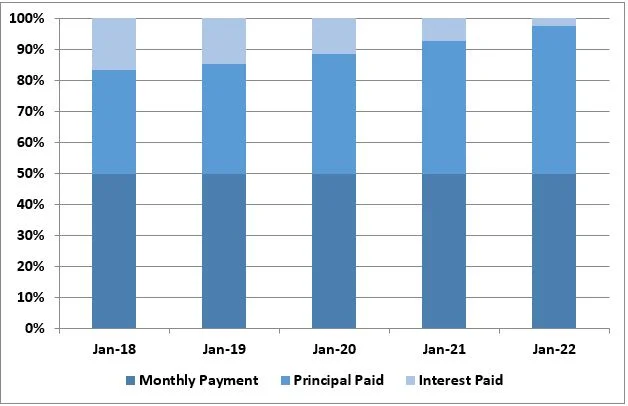
If you have a $5,000 credit card balance at 20% APR, and you charge $100 per month but only pay $250 monthly, it will take about five years to pay off — and you’ll pay over $2,300 in interest.
Seeing the numbers clearly helps you realize how quickly debt adds up — and why smart credit habits matter.
Credit Card Do’s: Build Good Credit Habits
✅ Do pay your credit card on time every month.
On-time payments make up 35% of your credit score. Set up automatic payments or reminders to stay consistent.
✅ Do pay your balance in full whenever possible.
The amount you owe makes up 30% of your credit score, so keeping your balance low is essential.
✅ Do look for 0% APR balance transfer offers.
Transferring high-interest debt to a 0% APR credit card can help you pay down balances faster while saving on interest.
✅ Do use credit cards strategically for rewards.
Choose cards with cash-back or points programs that fit your lifestyle. You’ll earn value on the purchases you already make.
✅ Do use credit cards occasionally to build history.
Your credit history makes up about 15% of your credit score, so keep accounts open and active.
✅ Do check your credit report regularly.
You can get a free report from AnnualCreditReport.com every year, or use credit monitoring apps like WalletHub or Quizzle to track your score.
Credit Card Don’ts: Avoid Common Mistakes
❌ Don’t spend more than you can afford to pay off.
Only charge what you can comfortably repay each month. If you need to make a large purchase, calculate how to pay it off before interest starts.
❌ Don’t share your credit card with anyone.
Even well-intentioned borrowing can backfire — protect your financial information.
❌ Don’t create spending temptations.
If mall trips or online shopping lead to overspending, switch up your habits. Go for a walk, explore your neighborhood, or plan no-spend weekends instead.
Final Thoughts
Credit cards can either help you build great credit or drag you into unnecessary debt — the difference lies in how you manage them.
By following these credit card do’s and don’ts, you’ll set yourself up for financial success, boost your credit score, and gain peace of mind.
💬 What helps you stay on top of your credit card spending? Share your thoughts in the comments below!