How to Reset Your Personal Finances: A Step-by-Step Guide to Getting Back on Track
Whether it’s the beginning of a new year, a new month, or simply a self-proclaimed restart, now is a great time to reset your personal finances. A financial reset gives you the opportunity to take accountability, change spending habits, and set realistic goals that support long-term financial stability.
If you’ve been feeling overwhelmed by money or unsure where your finances stand, this step-by-step approach will help you regain clarity and confidence.
Step 1: Log In to All Your Accounts and Take Inventory
One of the most important—and often most uncomfortable—steps in a personal finance reset is simply acknowledging where your money is going.
Many people go months without reviewing bank or credit card statements because it triggers stress or guilt. However, financial awareness is the foundation of better money habits.
You don’t have to do everything at once. You can:
Review one or two statements per day over the course of a week, or
Designate one “financial inventory day” and review everything at once
When reviewing your accounts, ask yourself:
Are there subscriptions you forgot about?
How much are you really spending on eating out?
Did any recurring expenses increase unexpectedly?
Were you able to add to your savings?
Is there anything else that stands out?
Taking inventory allows you to spot patterns, identify problem areas, and begin making informed decisions about your spending.
Step 2: Change Spending Habits and Set Financial Goals
If you’re looking to reset your finances, there’s usually a deeper reason behind it. You may want to:
Save for a major purchase
Break unhealthy money habits
Reduce financial stress
Set a positive example for your children
Identify your “why,” and use it to guide which habits you want to change and which financial goals you want to set.
Start Small for Sustainable Results
Small, achievable goals help you build momentum. Begin with one monthly goal, such as:
Saving a specific dollar amount
Limiting eating out to once per week
Cutting back on discretionary spending
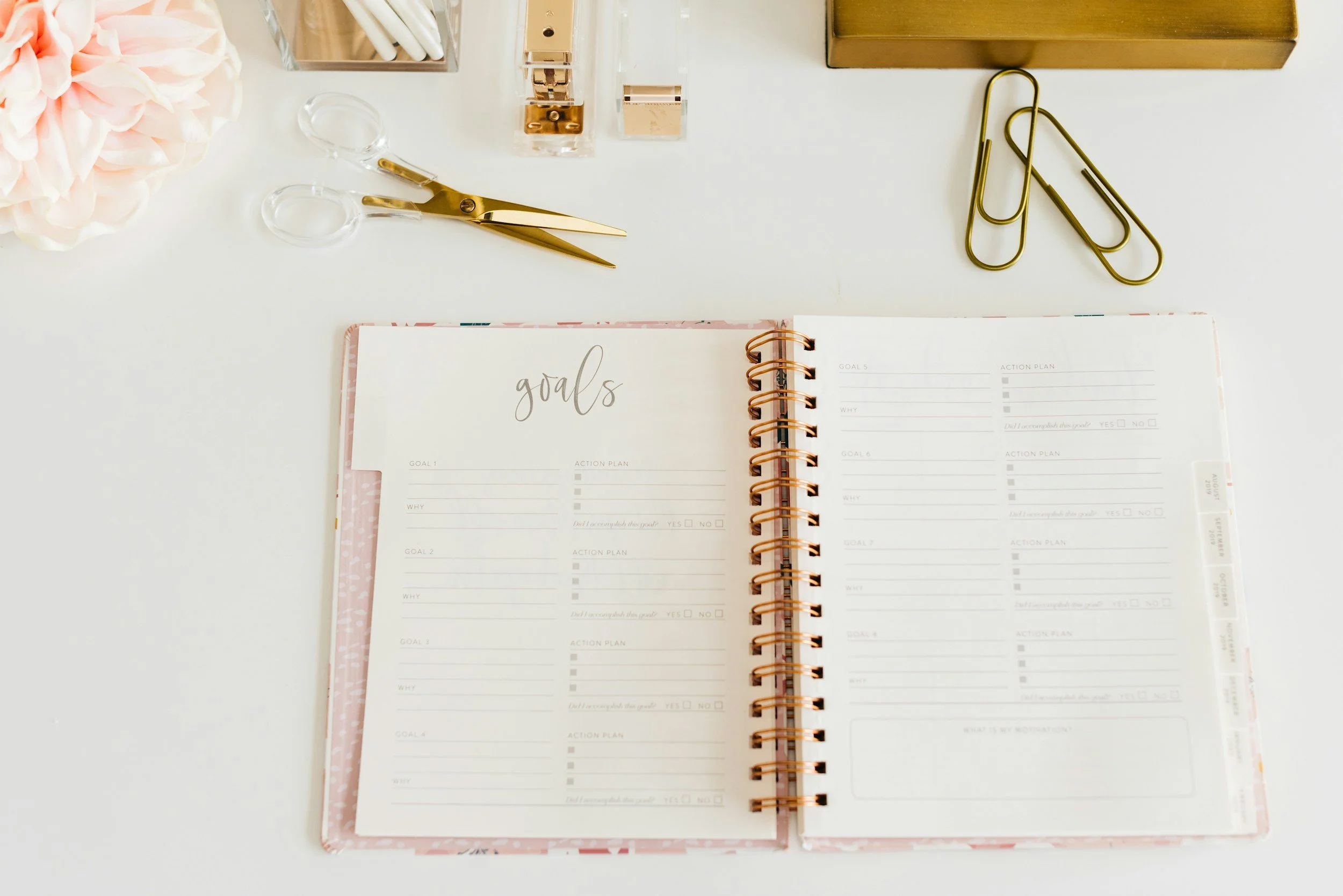
Write your goal down and place it somewhere you’ll see it daily.
Make sure your goal is measurable. For example:
Instead of: “I want to spend less on food.”
Try: “I want to spend $100 less on food this month.”
Clear goals make it easier to track progress and celebrate success.
Step 3: Try a “Minimalist Month” Financial Challenge
If you’re ready for a more intensive personal finance reset, consider doing a minimalist month. This challenge focuses on eliminating non-essential spending for one full month.
During a minimalist month, you only spend money on necessities such as:
Rent or mortgage
Utilities
Groceries
Required bills
What qualifies as a “necessity” is up to you, but the purpose is to remove spending “fluff” and quickly break bad money habits.
To stay motivated, plan a reward for completing the challenge—such as a small treat or discretionary purchase at the end of the month. That said, the biggest reward is often seeing how much your savings grow.
If it goes well, challenge yourself to extend it to two months, three months, or even six months.
Step 4: Build on Small Wins Over Time
Long-term financial goals can feel overwhelming, especially when thinking one, five, or ten years ahead. Instead, focus on small, consistent wins.
Set weekly, monthly, or even daily financial goals. Once you achieve one goal, maintain it and layer in another. Over time, these small changes compound into meaningful financial progress.
Final Thoughts on Resetting Your Personal Finances
Taking accountability, setting realistic goals, and building momentum are key components of lasting financial change. From my experience, this approach is both manageable and effective—and it allows you to celebrate progress along the way.
A personal finance reset isn’t about perfection. It’s about awareness, consistency, and building better habits over time.
For more tips, check out this YouTube Playlist: Personal Finance 101: Budgeting, Saving & Money Management
Take control of your finances with this Budgeting & Personal Finance playlist! Learn practical budgeting tips, money-saving hacks, and simple financial strategies to help you manage your money with confidence. These videos walk you step-by-step through creating a monthly budget, reducing everyday expenses, paying off debt, and building long-term savings. Whether you’re a beginner learning how to budget or someone looking to improve your financial habits, this playlist will help you save more money, spend smarter, and work toward financial freedom.